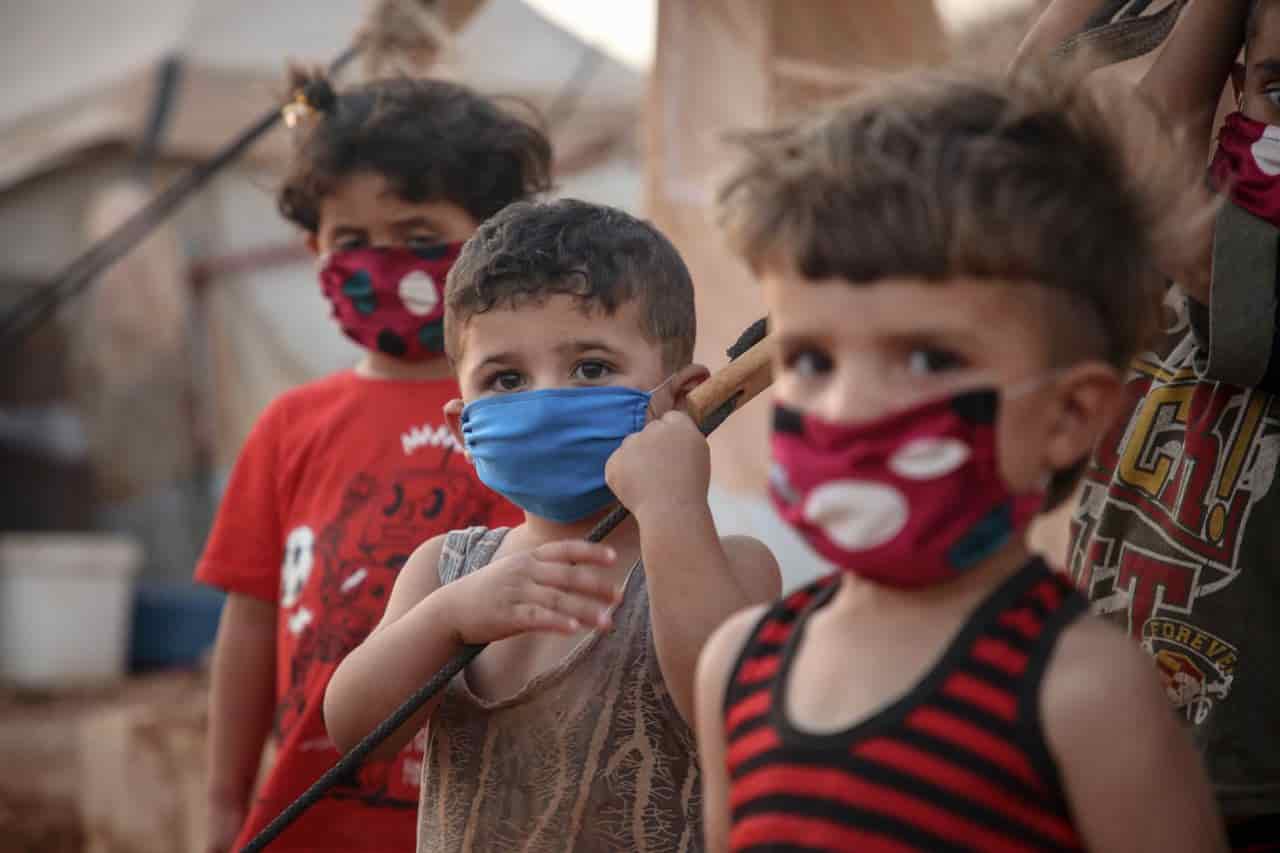
Air pollution affects people of all ages, but children are among the most vulnerable to its harmful effects. While adults can experience respiratory irritation, reduced lung function, and other health problems from polluted air, children often face greater risks because their bodies are still developing. Even short-term exposure to poor air quality can affect a child’s health, while long-term exposure may have lasting consequences.
As air pollution remains a growing concern in many cities around the world, understanding why children are more susceptible than adults is essential for parents, caregivers, and communities seeking to protect young lives.
Why Children Are More Vulnerable to Air Pollution
Children are not simply smaller versions of adults. Their lungs, immune systems, and other organs are still developing, making them more sensitive to environmental pollutants. During childhood, the body undergoes rapid growth, and exposure to harmful substances can interfere with normal development.
Children also breathe more air relative to their body weight than adults. This means they inhale a greater amount of pollution for their size, increasing their overall exposure to harmful particles and gases.
In addition, young children often spend more time outdoors playing, exercising, and participating in activities that increase their breathing rate. During periods of poor air quality, this can result in a higher intake of pollutants compared to adults who spend more time indoors.
Common Pollutants That Affect Children
Several air pollutants can have significant effects on children’s health. Among the most concerning are fine particulate matter and traffic-related emissions.
These pollutants include:
- PM2.5 and PM10 particles
- Nitrogen dioxide (NO₂)
- Ground-level ozone (O₃)
- Sulfur dioxide (SO₂)
- Smoke from wildfires and biomass burning
Exposure to these pollutants can irritate the respiratory system and contribute to a variety of short-term and long-term health issues.
Effects on Lung Development
One of the biggest concerns regarding childhood exposure to air pollution is its impact on lung growth. Healthy lung development continues throughout childhood and adolescence. Polluted air can interfere with this process, potentially reducing lung function later in life.
Fine particles such as PM2.5 can travel deep into the lungs, causing inflammation and irritation. Repeated exposure over many years may affect how well the lungs grow and function. Studies have shown that children living in highly polluted areas often have lower lung capacity compared to those growing up in cleaner environments.
Increased Risk of Respiratory Problems
Children exposed to poor air quality are more likely to develop respiratory symptoms and illnesses. Their narrower airways can become irritated more easily, leading to breathing difficulties.
Common health effects include:
- Frequent coughing
- Wheezing
- Shortness of breath
- Increased asthma attacks
- Higher risk of respiratory infections
For children who already have asthma, pollution can trigger symptoms and make the condition more difficult to manage.
Impact Beyond the Lungs
The effects of air pollution are not limited to the respiratory system. Researchers have found growing evidence that polluted air can influence other aspects of children’s health as well.
Some studies suggest that long-term exposure to air pollution may affect cognitive development, concentration, and academic performance. Poor air quality has also been linked to increased inflammation throughout the body, which may contribute to broader health concerns over time.
Because children are in critical stages of physical and mental development, the potential consequences of chronic pollution exposure can be significant.
How Air Pollution Affects Daily Life
Even when pollution does not cause serious illness, it can still affect a child’s daily activities. Poor air quality may lead to fatigue, reduced physical performance, and discomfort during outdoor play or sports.
On days when AQI levels are high, children may spend less time outside, reducing opportunities for exercise and recreation. Over time, this can indirectly impact physical fitness and overall well-being.
How Parents Can Help Protect Children
While it is impossible to eliminate exposure entirely, parents can take practical steps to reduce the risks associated with air pollution.
Monitoring AQI levels is one of the simplest and most effective measures. When air quality becomes unhealthy, outdoor activities can be rescheduled or moved indoors. Keeping windows closed during severe pollution events and using HEPA-filter air purifiers can also help improve indoor air quality.
Additional protective measures include:
- Checking AQI forecasts daily
- Limiting outdoor activity during pollution peaks
- Encouraging indoor exercise on high-AQI days
- Using air purifiers at home when possible
- Avoiding heavy-traffic areas during walks or school commutes
These actions can help reduce children’s exposure to harmful pollutants and support healthier development.
Conclusion
Children are more vulnerable to air pollution than adults because their lungs and bodies are still developing, they breathe more air relative to their size, and they often spend more time outdoors. Exposure to polluted air can affect lung growth, increase respiratory problems, and potentially influence overall health and development. By monitoring AQI levels and taking simple precautions during periods of poor air quality, parents and caregivers can help protect children from the harmful effects of air pollution.