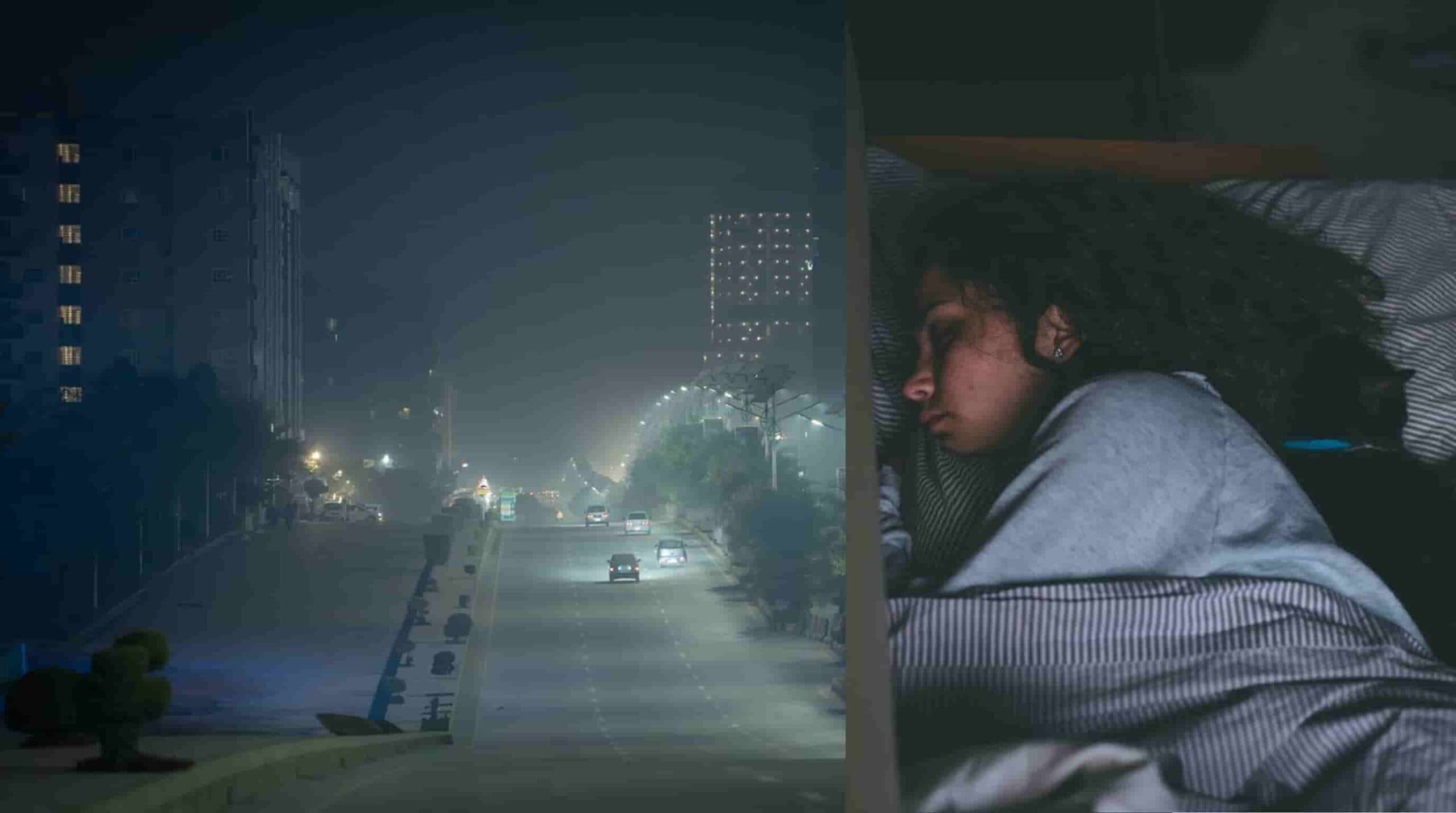
Most people associate air pollution with respiratory problems, allergies, or reduced outdoor visibility. However, poor air quality can also affect something many people don’t immediately connect to pollution: sleep. While factors such as stress, screen time, and caffeine are well-known causes of sleep disturbances, the quality of the air you breathe can also play an important role in how well you rest at night.
Research has increasingly shown that exposure to polluted air may contribute to difficulty falling asleep, frequent nighttime awakenings, and lower overall sleep quality. As air pollution remains a growing concern in many cities, understanding its impact on sleep can help people take steps to improve both their health and rest.
How Air Pollution Can Disrupt Sleep
When you sleep, your body continues to breathe in the surrounding air for several hours. If that air contains elevated levels of pollutants such as PM2.5, PM10, ozone, or nitrogen dioxide, your respiratory system may become irritated even while you’re resting.
Polluted air can cause inflammation in the airways, making breathing less comfortable during sleep. Some people may experience mild congestion, coughing, throat irritation, or difficulty breathing, all of which can interfere with uninterrupted rest.
Even if these symptoms are not severe enough to wake you completely, they can reduce sleep quality by increasing the number of brief awakenings throughout the night.
Pollutants Most Commonly Linked to Sleep Problems
Several air pollutants have been associated with sleep disturbances, particularly in urban areas with poor air quality.
These include:
- PM2.5 (fine particulate matter)
- PM10 (coarse particulate matter)
- Ground-level ozone (O₃)
- Nitrogen dioxide (NO₂)
- Smoke from wildfires and biomass burning
Long-term exposure to these pollutants may increase the likelihood of sleep-related health issues.
The Impact on Breathing During Sleep
Breathing problems are one of the most direct ways air pollution affects sleep. Irritated airways can become slightly inflamed, making it harder for air to move freely through the respiratory system.
For people with asthma, allergies, or chronic respiratory conditions, poor air quality can worsen symptoms during the night. Increased coughing, wheezing, or shortness of breath may lead to disrupted sleep and reduced sleep efficiency.
Children and older adults are often more sensitive to these effects because their respiratory systems are either still developing or less resilient than those of healthy adults.
Air Pollution and Sleep Apnea
Some studies have suggested a connection between air pollution and sleep apnea, a condition in which breathing repeatedly stops and starts during sleep. While air pollution is not considered a direct cause of sleep apnea, exposure to pollutants may worsen airway inflammation and increase the severity of symptoms in some individuals.
People who already have sleep apnea may therefore notice poorer sleep quality during periods of elevated AQI.
Why High AQI Days May Lead to Poor Sleep
Many people focus on air quality during the daytime but overlook its potential effects at night. On days when AQI levels are high, pollutants can remain trapped near the ground, particularly during calm weather conditions.
If outdoor air enters the home through open windows or inadequate filtration systems, indoor air quality may also decline. Spending an entire evening and night breathing polluted air can affect sleep quality, even if symptoms are not immediately obvious.
Common sleep-related effects linked to poor air quality include:
- Difficulty falling asleep
- Frequent nighttime awakenings
- Restless sleep
- Morning headaches
- Increased daytime fatigue
These effects can accumulate over time if exposure to polluted air remains consistent.
How to Improve Sleep During Poor Air Quality Conditions
While it may not be possible to control outdoor pollution levels, there are steps you can take to improve indoor air quality and reduce the impact on sleep.
One of the most effective measures is monitoring AQI levels and keeping windows closed when outdoor air quality is poor. This can help prevent pollutants from entering your sleeping environment.
Additional strategies include:
- Using a HEPA-filter air purifier in the bedroom
- Cleaning dust and allergens regularly
- Avoiding indoor smoking
- Reducing the use of candles and incense
- Maintaining proper humidity levels indoors
These actions can help create a cleaner sleeping environment and support better rest during periods of poor air quality.
Who Is Most Affected?
Although anyone can experience sleep disruptions related to air pollution, some groups may be more vulnerable than others. People with asthma, allergies, COPD, or other respiratory conditions often notice symptoms more quickly when air quality worsens.
Children, older adults, and individuals with existing sleep disorders may also experience greater effects. For these groups, maintaining good indoor air quality can be particularly important for achieving healthy sleep.
Conclusion
Poor air quality can affect more than just your lungs—it can also interfere with your ability to get a good night’s sleep. Pollutants such as PM2.5, PM10, ozone, and nitrogen dioxide can irritate the respiratory system, contribute to breathing difficulties, and increase the likelihood of sleep disturbances. By monitoring AQI levels and improving indoor air quality, you can reduce exposure to harmful pollutants and create a healthier environment for restful sleep.